Understanding cupping before your visit
Cupping is recognizable for the circular marks it can leave, but photographs of those marks do not explain whether a treatment is appropriate for you. If you are considering a session, start with the reason you want it and the experience you expect. At KARA, cupping is listed within the wellness menu. A consultation lets you ask about the method being offered, the area to be treated, the practitioner's assessment, and whether a different service would be more suitable for your goals.
How suction is created
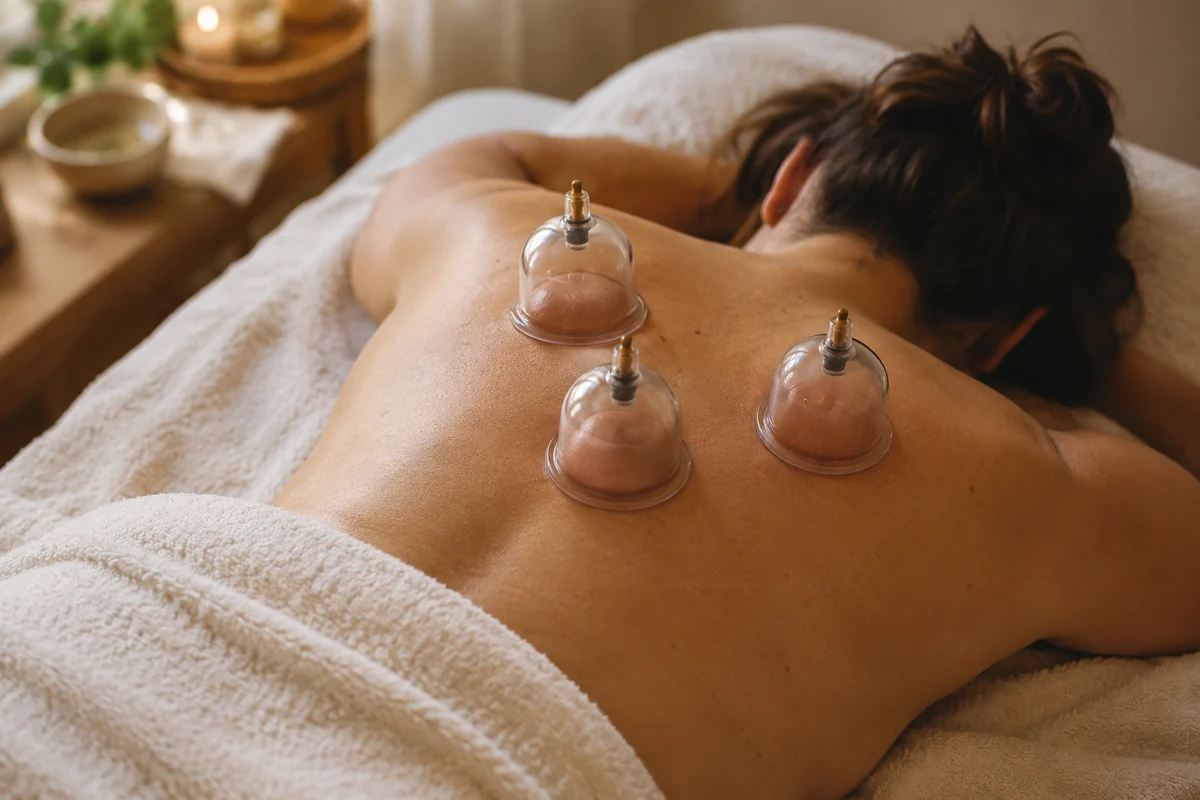
Cupping involves placing cups on the skin to create suction. Methods differ, and the distinction between dry cupping and wet cupping matters: wet cupping involves piercing the skin, while dry cupping does not. Ask which technique is offered rather than assuming from the word cupping alone. The National Center for Complementary and Integrative Health describes research on cupping as generally low quality. It notes that cupping may help pain, but the evidence is not strong enough to establish broad benefits for other conditions.
What the marks can tell you
Temporary circular marks can occur where cups were placed. Their color or intensity should not be treated as a measurement of toxins removed, proof of healing, or a diagnosis. Ask the practitioner what skin changes are expected with the specific technique and when to contact them about a reaction. If another healthcare professional sees the marks, explain that you had cupping so there is no confusion about their origin. You can also ask how the team adapts the plan if you would prefer to avoid a visible treatment area.
Comfort and communication during the session
Before the cups are applied, explain your preferences and ask what sensations you should expect. Let the practitioner know promptly if something feels painful or uncomfortable. It is useful to agree on how you will communicate during treatment, particularly if you are new to the technique or are worried about the marks. You do not need to tolerate discomfort to demonstrate that the treatment is working. Ask whether the technique can be adjusted, whether the session can be paused, and how the practitioner decides when to stop.
Questions about skin and safety
Tell the team about medications, skin conditions, recent procedures, and previous reactions to treatments. NCCIH notes possible effects including burns, infections, persistent discoloration, and worsening of eczema or psoriasis. Ask what screening is required and how equipment is handled between clients. If you have an ongoing medical concern, bring that up before making an appointment rather than trying to use cupping to diagnose it. A wellness session should not replace an examination when the cause of a symptom is unclear or requires medical attention.
Compare a single session with a package
KARA lists cupping at $150 per session or $600 for a package of five. Confirm the current pricing and package terms by phone. Before choosing a package, ask why repeat visits are being recommended, how your response will be assessed, and whether you can begin with one appointment. A package can affect the cost of a visit, but it does not prove that five sessions are necessary or that a particular result will occur. Discuss the area being treated and any preparation or aftercare instructions as part of the decision.
Explore wellness care near you
KARA Beauty Lounge & Medspa is at 2011 Lemoine Ave in Fort Lee, serving visitors from surrounding Bergen County communities. Review the massage and wellness page to compare the listed services, then call (201) 414-5565 with your questions. Mention that you are interested in cupping so the team can explain the appropriate next step. This article is general information to help you prepare for that conversation. It does not establish that cupping will relieve a particular symptom, remove toxins, or produce a result based on the appearance of the marks.